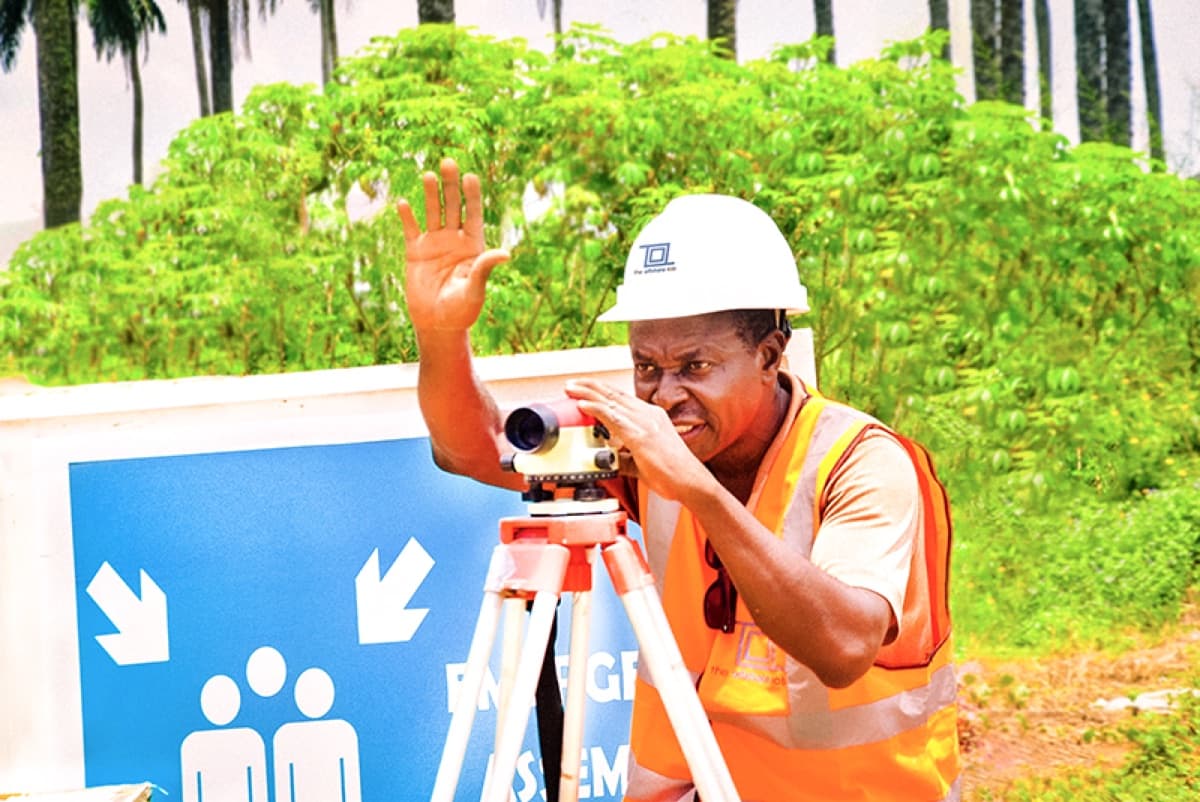
Integrated Project Delivery
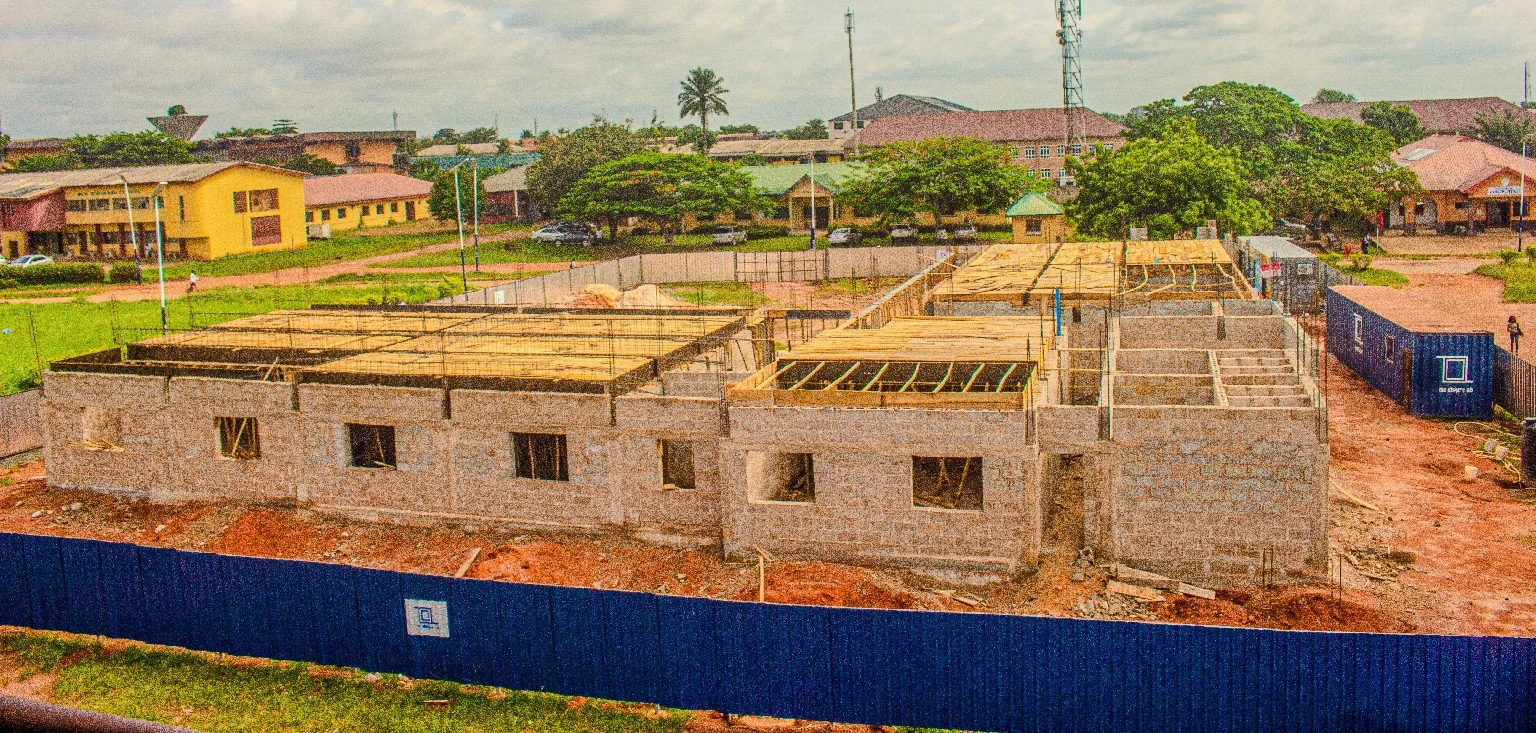
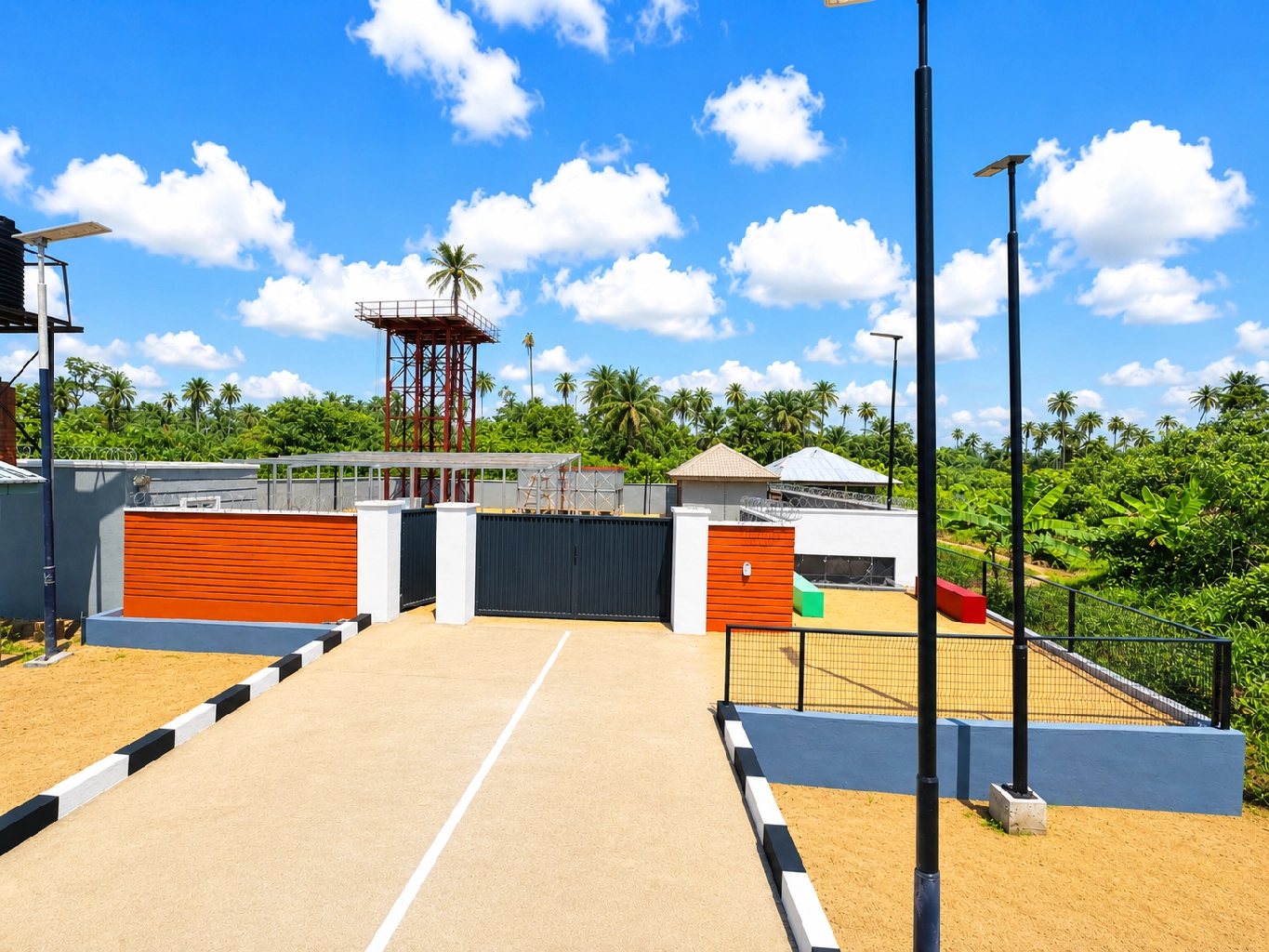
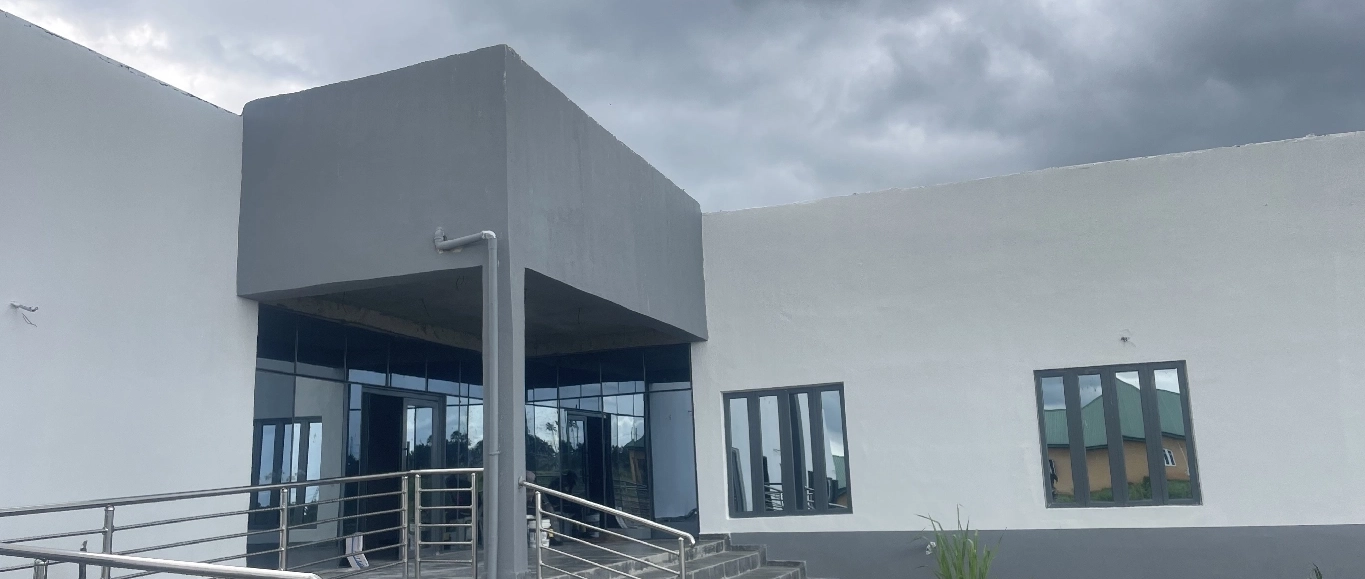
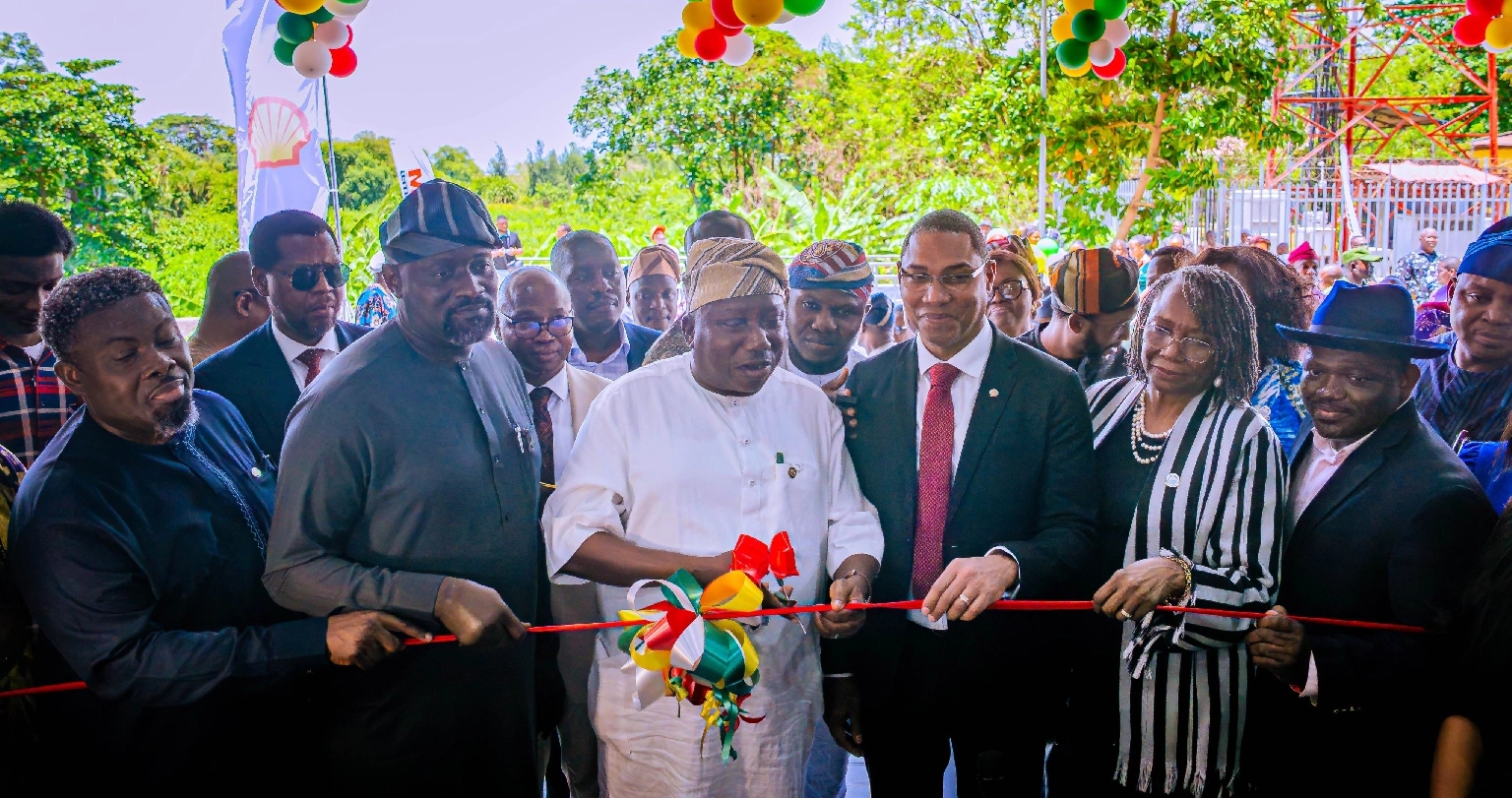
We take full responsibility across the project lifecycle, from strategy and design to delivery, operations and handover.
Integrated project delivery
The Offshore Lab (TOL) is an integrated project delivery company combining strategy, engineering, construction, technology and human-capital development to deliver lasting institutional and community impact.
One Partner. From Ambition to Lasting Impact
We combine multidisciplinary expertise, local insight and global standards to deliver integrated solutions that create value today and strengthen capability for tomorrow.
We take full responsibility across the project lifecycle, from strategy and design to delivery, operations and handover.
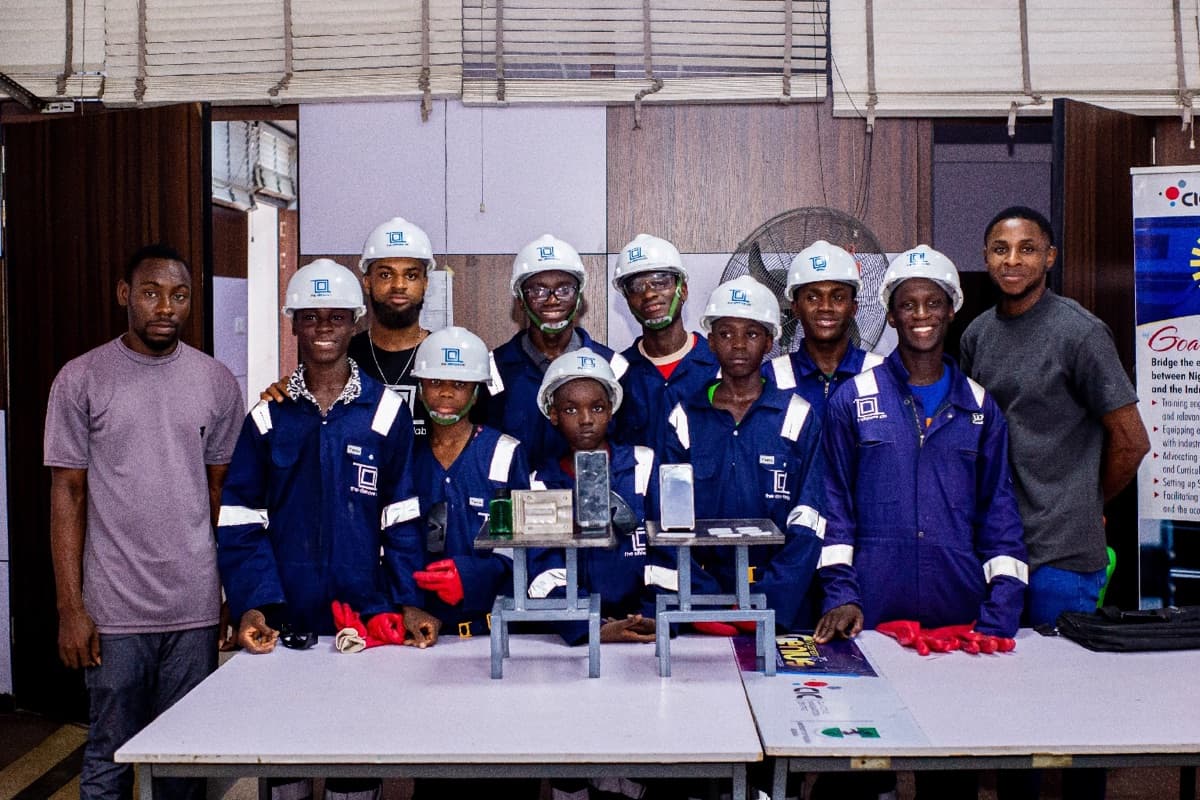
We build systems, transfer knowledge and strengthen institutions so our impact continues long after we step away.
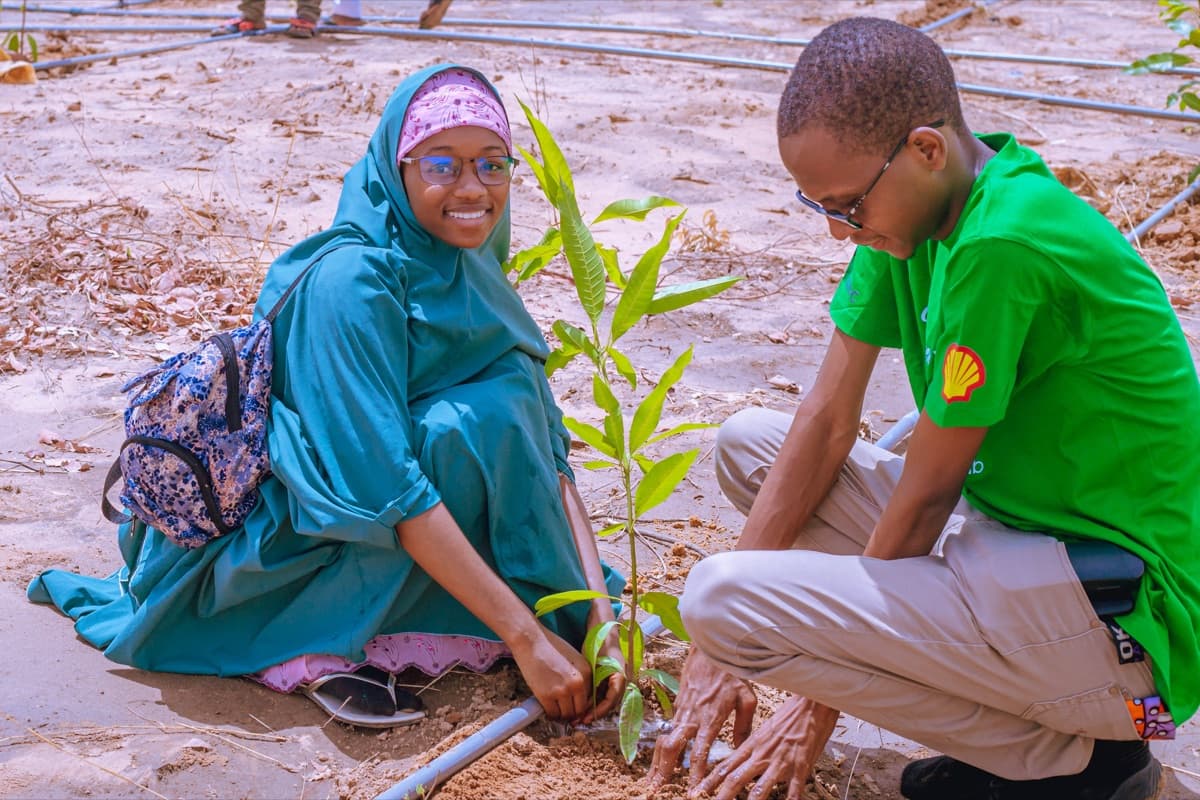
We create meaningful local value and measure what matters, delivering outcomes that are accountable and real.
End-to-End
Accountability
Multidisciplinary
Expertise
Local Insight.
Global Standards.
Measurable,
Lasting Impact
Delivering outcomes that transform communities and industries
We account for more than delivery.
We account for what changes.
We consider projects not only by what is built or delivered, but by the social, economic, institutional and environmental value they create and sustain.
Explore Project Impact AccountingOutputs
What was delivered
Outcomes
What changed
Lasting Value
What endures
Trusted by governments and organisations across the globe.








Recent thinking, project stories and media coverage
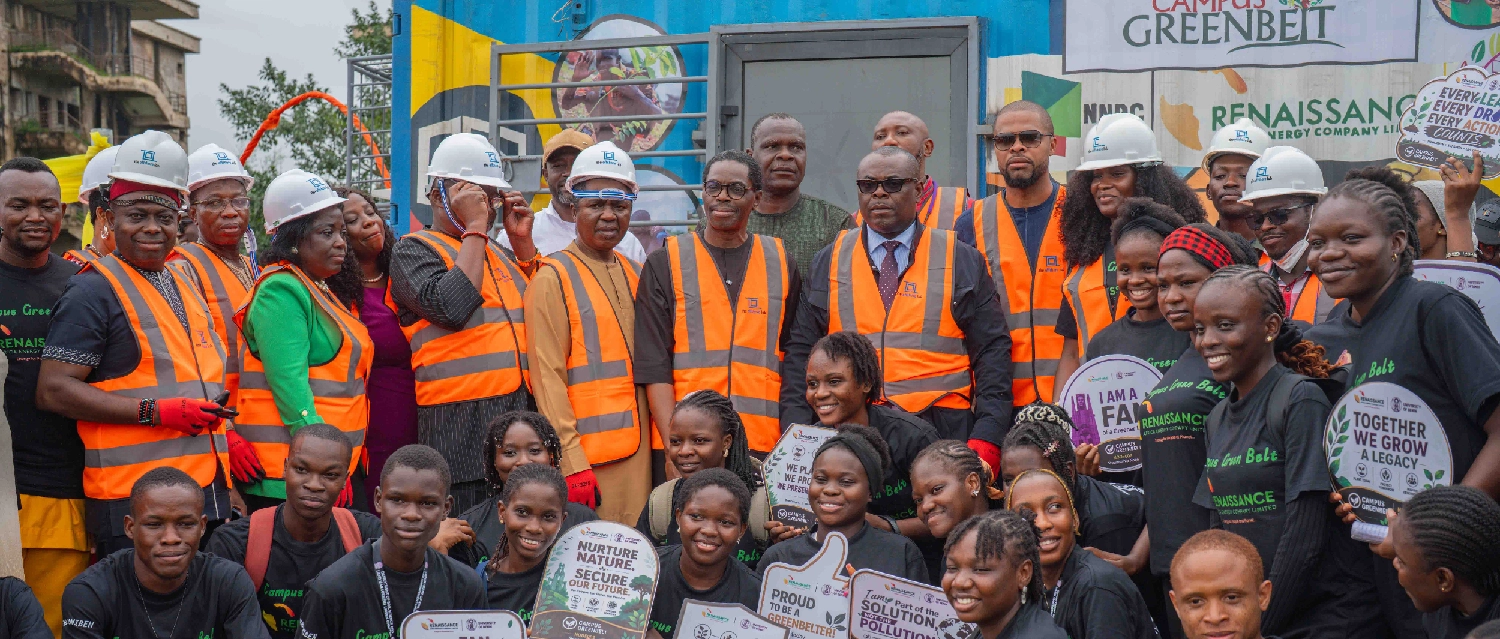
A building can be completed. A water system can be commissioned. An ICT centre can be equipped. A training programme can graduate hundreds of people. A thousand trees can be planted. All of these projects can be delivered on time, within budget, to specification and with an excellent safety record - and yet the most important question can remain unanswered: what changed because the project existed? Did the water system reliably reduce the time households spend searching for safe water? Did the ICT centre become an active platform for skills, research, enterprise and employability, or merely a room full of equipment? Did the training create competence that organisations actually use? Did the trees survive, create shade, improve biodiversity, produce food and build a culture of environmental stewardship? Did local businesses and workers retain meaningful economic value from the project? Did the institution become more capable of sustaining the asset after the contractors left? These are not public-relations questions. They are project-success questions. For decades, project delivery has rightly been disciplined around scope, schedule, cost, quality, safety and risk. Those controls remain indispensable. But they describe whether we delivered the project well; they do not, by themselves, establish whether we delivered the right change. That distinction is the foundation of what we at The Offshore Lab call Project Impact Accounting. What is Project Impact Accounting? Project Impact Accounting is the discipline of designing, measuring and accounting for the lasting value a project creates beyond its physical delivery. It asks project owners, sponsors, designers and delivery organisations to treat impact with the same seriousness with which they treat cost, schedule, quality and safety. That means defining the intended change before execution, designing the project around that change, establishing baselines and measures, collecting evidence during delivery, testing whether outcomes occur after handover and using the results to improve the next investment. The word accounting matters. Financial accounting does not simply tell a company how much money entered or left a bank account; it imposes a disciplined system for classification, evidence, reconciliation and accountability. Project Impact Accounting applies a similar mindset to value. It creates an impact ledger alongside the delivery ledger. The delivery ledger records what was built, bought, installed, trained, spent and completed. The impact ledger records what changed, for whom, how much, for how long, with what positive and negative consequences, and how much of that change can credibly be connected to the project. This does not mean forcing every outcome into a monetary value. Some impacts can and should be monetised when the method is credible and useful; others are better expressed in physical, social, environmental, institutional or qualitative terms. The objective is not to turn people and ecosystems into numbers. The objective is to make the value created - and the value lost - visible enough to influence decisions. The missing second ledger of project delivery The two ledgers are complementary, not competing. A project that creates impact but is technically unsafe or financially uncontrolled is not a good project. Equally, a technically perfect asset that is unused, unsustainable or disconnected from the need that justified it is not a complete success. Why this matters now The project-management profession itself is moving in this direction. PMI’s latest definition of project success centres on whether projects deliver value worth the effort and expense, explicitly moving beyond the traditional triple constraint. Its current PMBOK guidance emphasises value delivery, accountability and sustainability. Benefits Realization Management links strategy, deliverables, outcomes and sustained benefits. Sustainable project management is also becoming more operational. The 2026 PMI-GPM P5 Standard embeds social, environmental and economic impacts into governance, with impact thresholds, scoring and lifecycle thinking. Development evaluators have long asked whether interventions are relevant, effective, efficient, impactful and sustainable. Impact-accounting and impact-management communities are developing increasingly rigorous approaches to impact pathways, materiality, valuation, attribution and stakeholder outcomes. These developments point in the same direction: finishing the work is no longer enough. Project teams need to become accountable for value. Completion is an event. Impact is a condition that must survive the event. From outputs to outcomes to impact One reason impact is often poorly managed is that outputs, outcomes and impact are used interchangeably. They are different layers of the project story: Output: the direct product of project activity - for example, a borehole, 100 computers, a training cohort, a solar array, a kilometre of pipeline, or 1,000 planted trees. Outcome: the change in behaviour, performance, access, capability or condition enabled by that output - for example, reliable access to safe water, higher digital proficiency, reduced downtime, improved learning, or higher tree survival. Impact: the broader or longer-term significance of those outcomes for people, institutions, communities, the economy or the environment - for example, stronger livelihoods, institutional resilience, lower environmental burden, improved human capital or a more productive local ecosystem. A project team has strongest control over outputs. Its control over outcomes and impact is progressively weaker because many external factors intervene. Project Impact Accounting does not solve that causal complexity by making extravagant claims. It makes the complexity explicit: baselines are recorded, assumptions are stated, contribution is tested, other actors are recognised and evidence quality is disclosed. The questions every serious project should be able to answer What need are we actually trying to change, and what is the baseline before we intervene? Who experiences the project’s positive and negative effects? What outputs are required, and how must they be designed to enable the intended outcomes? What changed after delivery - not only what was installed? How large was the change in scale, depth and duration? What would likely have happened without the project, and what is our reasonable contribution to the observed change? What unintended consequences, trade-offs or negative externalities were created? Can the institution, community or operating owner sustain the asset and the benefit? What local skills, jobs, suppliers, technologies or capabilities remain after project close-out? What should the evidence change about the next design, budget or investment decision? Impact has a debit side as well as a credit side A credible impact account cannot be a catalogue of good news. Projects can create disruption, carbon emissions, waste, safety exposure, exclusion, maintenance burdens, inequitable access, dependency, displacement or assets that institutions cannot afford to operate. A project may create positive outcomes for one group and negative outcomes for another. This is where the accounting mindset becomes useful. If we only record positive stories, we are doing communications. If we record material positive and negative effects, assumptions, trade-offs and uncertainties, we begin to build accountability. The aim is not perfection. It is decision-useful honesty: understand the total value equation early enough to design out avoidable harm and design in more value. Design impact before construction starts The greatest mistake is to treat impact measurement as something that begins after commissioning. By then, many of the most important impact decisions have already been made. A water project designed only around hydraulic capacity may overlook walking distance to collection points, access for older people or persons with disabilities, household affordability, local operating capability, water-quality monitoring, spare-parts availability and the time burden traditionally carried by women and children. An ICT centre designed around equipment specifications may overlook curriculum integration, instructor capability, internet continuity, maintenance, industry partnerships and actual student utilisation. Project Impact Accounting therefore starts at need assessment and concept selection. Impact becomes a design input. Procurement, technical specifications, local-content strategy, operating model, training, community participation, maintenance planning and data collection are all treated as levers in the impact equation. The Project Impact Accounting lifecycle 1. Define the need and baseline - Describe the problem in measurable terms. Identify affected people and institutions, existing conditions, material risks, contextual constraints and the outcomes that matter. 2. Set the impact thesis - State how project activities and outputs are expected to produce outcomes. Make assumptions explicit and identify what would need to be true for the benefits to last. 3. Design for impact - Translate intended outcomes into design choices, specifications, procurement requirements, local-content plans, training, governance, maintenance and operating arrangements. 4. Build the impact ledger during delivery - Track outputs and leading indicators, record design decisions, collect evidence, document local participation, monitor negative effects and keep the impact case alive through project controls. 5. Verify outcomes after handover - Measure utilisation, performance and stakeholder outcomes at appropriate intervals. Compare with baseline and targets. Test contribution and disclose limitations. 6. Account, learn and improve - Produce a Project Impact Statement that reconciles intended and actual value, captures lessons and feeds evidence into the next investment, design or scale decision. What should be accounted for? The material dimensions will differ by project. A practical PIA account can, however, test value across six recurring lenses: Economic and local value: Local jobs and suppliers, capital retained in the economy, productivity, operating cost, affordability, enterprise activity and lifecycle value. Human capital and capability: Skills, competence, certifications, employability, knowledge transfer, leadership, confidence and the ability to operate or maintain what was delivered. Social and community value: Access, inclusion, health and safety, time saved, dignity, participation, trust, social cohesion and distribution of benefits among affected groups. Environmental and climate value: Energy, emissions, water, waste, biodiversity, land use, resilience, resource efficiency and material environmental trade-offs. Institutional and system value: Governance, operating systems, data, maintenance capability, partnerships, policy alignment, institutional resilience and the ability to scale or replicate. Asset performance and legacy: Utilisation, uptime, service quality, maintainability, lifecycle condition, benefit duration and whether the project continues to solve the original need. Four examples: the difference between counting delivery and accounting for impact Community water infrastructure Delivery counting: boreholes drilled, tanks installed, kilometres of pipeline laid, fetching points commissioned. Impact accounting: water quality and reliability, households served, average access time and distance, service downtime, affordability, local O&M capability, user satisfaction, time released for productive or educational activity and durability of the system. University ICT and innovation infrastructure Delivery counting: computers installed, smart boards supplied, seats created and facility handed over. Impact accounting: facility utilisation, teaching hours enabled, digital competencies gained, certifications, research and enterprise activity, industry engagement, equipment uptime, instructor capability and graduate opportunities influenced by the facility. Campus greening and orchard programmes Delivery counting: trees planted and irrigation installed. Impact accounting: survival rate, canopy development, water efficiency, biodiversity, fruit yield, student stewardship, climate literacy, maintenance capability, community knowledge transfer and the persistence of the green asset over multiple seasons. Rapid education infrastructure Delivery counting: modular classrooms delivered, desks installed and learners enrolled. Impact accounting: learning hours restored, attendance, retention, teacher capability, digital access, learner progression, utilisation, continuity through displacement and whether the model reaches children who would otherwise remain outside formal learning. What Project Impact Accounting is not It is not a replacement for project controls, engineering assurance, finance or HSE. It is not the same as project accounting, which primarily tracks project costs, revenue and financial transactions. It is not simply ESG reporting. ESG disclosures usually operate at enterprise or portfolio level; PIA asks what happened at the level of a specific project and why. It is not a post-project CSR story assembled after the fact. Impact must shape design and execution before it becomes communications. It is not a promise to monetise every human or environmental outcome. Monetary valuation is one tool, not the definition of credible impact. It is not an excuse to claim causality without evidence. Attribution, counterfactuals, uncertainty and contribution must be handled transparently. A stronger definition of value for Africa’s project economy The argument for Project Impact Accounting is particularly important in Africa, where scarce public, corporate and development capital has to solve unusually large infrastructure and human-development needs. The question cannot only be how many projects we can finance. It must also be how much durable value we can extract from every naira, dollar, engineering hour and community intervention committed to them. That requires a shift in posture. Sponsors must procure for outcomes, not only outputs. Designers must understand people and operating systems, not only technical specifications. Contractors must see local capability, sustainability and handover as part of project quality. Institutions must budget for utilisation and maintenance. Communities must be engaged as participants in durability, not merely described as beneficiaries. Project managers must remain curious about what happens after practical completion. This is not about loading every project with an impossible social agenda. It is about being explicit about the value the project already claims to exist for - and then managing that value as deliberately as we manage the asset. The future of project delivery is not only to build more. It is to account for more. From project close-out to Project Impact Statement A mature PIA practice would add a Project Impact Statement to the normal close-out architecture. It would not replace the completion certificate or final account. It would sit beside them and continue after them. The statement would record the baseline need; intended outcomes; material positive and negative impacts; the project’s impact indicators; actual performance; evidence quality; contribution assumptions; sustainability risks; and the actions required to preserve or increase benefits. For some projects it could be updated at six, twelve and twenty-four months after handover. Over time, organisations would build a portfolio of comparable project impact accounts. That evidence would answer a question that most capital programmes struggle to answer today: which kinds of projects, designs, partners and delivery choices create the most enduring value - and which merely create outputs? The discipline we want to advance Project Impact Accounting is not presented here as a finished global standard. It is a discipline we believe project owners and delivery organisations should advance: a way of connecting modern project management, sustainability, benefits realisation and impact measurement around a simple principle of accountability. Every project creates a footprint larger than its physical asset. It spends money, develops or imports capability, consumes resources, changes places, redistributes time, affects people, strengthens or weakens institutions and creates consequences that can last long after the project team demobilises. We should account for those consequences with the same seriousness we bring to the project schedule and the final account. Because the ultimate question is not only: What did we deliver? It is: What changed - and did that change last?
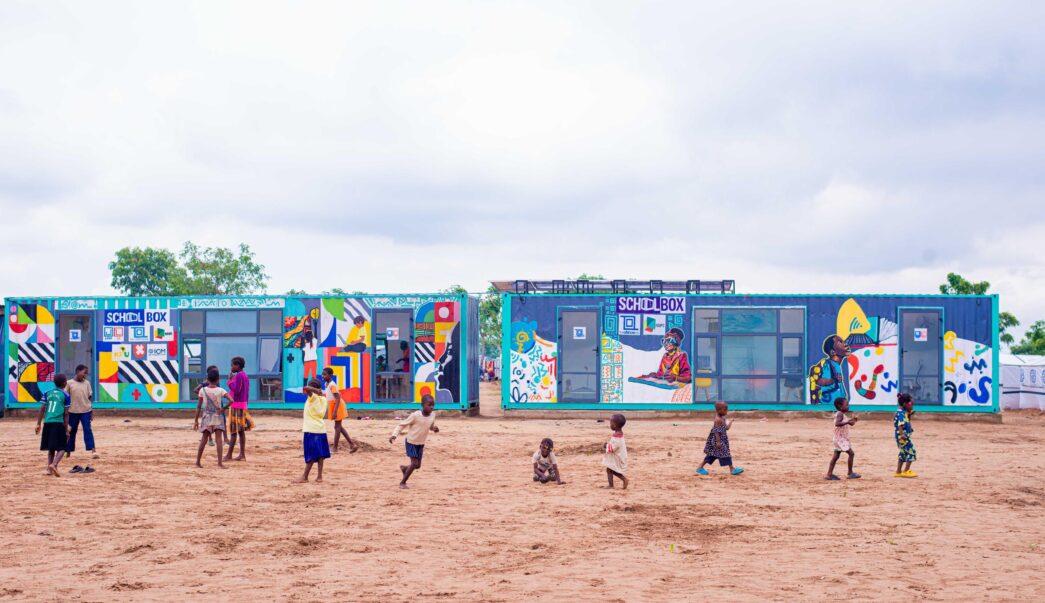
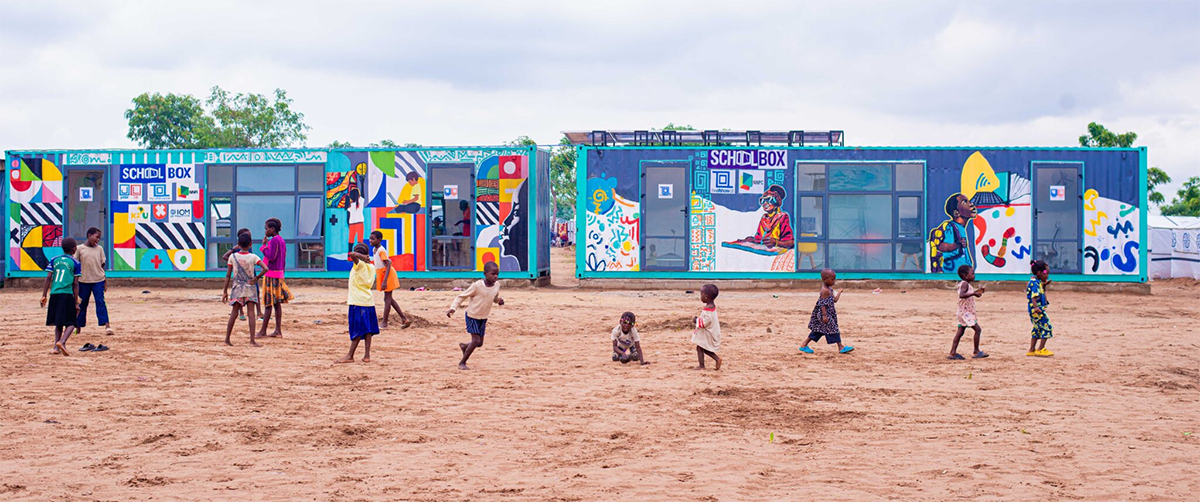
Low, heavy clouds pressed over the sky threatening to turn the already damp red earth from previous downpours to thick mud. As the low growls of thunder rumbled, 14-year-old Terkula Bemdoo hurried toward a bright blue container stationed proudly in front of the temporary tarpaulin shelters that littered the mega internally displaced persons (IDP) camp at the Mbayongo community in Benue’s Guma LGA. Inside, it was dry, lit, and offered solace from the rain that leaked into the tent he shared with his family. But the warmth from the container was beyond just shelter from the storm; it gave hope for a future. There was a teacher waiting inside. The last time Bemdoo attended school was 10 years ago in his community, before he arrived in the camp. He was displaced from his home by the frequent violent farmer-herder clashes that have come to grimly define Benue state. In the camp, going to school was impossible when the priority was simply finding the next meal. Staying healthy was a bigger challenge and Bemdoo knew from a young age that the route to achieving his dreams as a mathematician wasn’t going to be an easy experience. The only memory of school the 14-year-old had was that it “was so bad”. Benjamin Prosper, Bemdoo’s 15-year-old friend, recalled having to sit on mats to write. But SchoolBox, the containers, opened a new world to the young boys. The blue walls of the 40ft container came alive with murals — painted patterns winding like ribbons and silhouettes of children nursing their dreams in defiant, blues, reds, and yellows — softening the steel. Square windows cut neatly into its sides juxtaposed by transparent glass doors. The environment offered the children a glimpse of how dreams can be achieved as they waited their turn to learn. Inside, seats fitted with desks, a whiteboard, and fans hooked to the walls gave the feel of a real school. Solar panels sat atop a frame above, tilted like open wings, catching what light they could to power the classroom that felt less like a repurposed shipping crate and more like a place that belonged to its students “SchoolBox was born out of a sense of urgency,” Emeka Obiwulu, CEO of The Offshore Lab, the company behind the education project, told TheCable. “It was born out of a refusal to just accept that all of these millions of Nigerian children were just destined to grow up in limbo, without classrooms, without teachers, or even hope of a future. “It’s a way of bringing education to the margins without waiting for the perfect conditions. It’s like a handshake from the wider world to them.” A 2024 UNICEF report disclosed that Nigeria has around 18 million out-of-school children. This includes about 10.2 million primary school-age children and 8.1 million junior secondary school-age children. The crisis is compounded by increasing displacement in conflict-prone states due to prolonged insecurity SchoolBox was developed to address this challenge by supporting Nigeria’s formal education system particularly in IDP camps and regions affected by insecurity or temporary school closures. Each SchoolBox is a recycled and repurposed shipping container, transformed into a safe, solar-powered and fully functional classroom, ICT lab or water, sanitation and hygiene (WASH) facility. These modular units are relocatable using flatbeds and Hiab trucks, making them ideal for emergency education needs and transitional learning support. Obiwulu noted that shipping containers were chosen as temporary classrooms owing to their structural integrity and durability. GETTING LOCAL BUY-IN Patience John, an education expert, told TheCable that mobile classrooms are vital as a complementary strategy because they offer flexible, accessible education alternatives where traditional schooling is compromised. She added that it requires integration with existing systems and investment in infrastructure, training, and localised content to be truly effective. Obiwulu agreed with this viewpoint. For the CEO, it was one of the most successful hallmarks in implementing the project. By relying on the State Emergency Management Agency (SEMA) and the UN’s International Organisation for Migration (IOM), The Offshore Lab was able to gather data of preexisting teachers in the camp without outsourcing the task of guiding students. “Starting off inspired a lot of the others (teachers) who hadn’t come out to volunteer themselves or identify themselves as of then to come out and do that,” he added. On a deployment level, Obiwulu said The Offshore Lab partnered with the State Universal Education Board (SUBEB) and the state ministry of education to identify a nearby school and act as its proxy by offering teacher-training and exchange programmes between the school and the camp, as well as curriculum integration. Quarterly and monthly, an external supervisor from The Offshore Lab assesses the progress. “As much as we have the local buy in, we still have a role to play in ensuring that all of those things that we benchmarked are actually going through,” he explained, Obiwulu noted that catering to the 2,500 kids from the camp was, however, a challenge, especially with constraining resources. The containers are only equipped with 20 seats with only two units shipped to the camp as a pilot project. As such, students in key examination classes, mostly the final years of primary education, are prioritised, relying on information from the camp’s management. WHAT NEXT? Though the project took off in June, Obiwulu is looking to quickly spread this impact across Nigeria. He told TheCable the company is working on a batch of 10 more containers that would serve as an ICT lab for an orphanage in the Niger Delta. The CEO said he is banking on previous successes from similar projects carried out for energy companies such as the Nigerian National Petroleum Corporation (NNPC), Shell, and Renaissance Africa Energy Company to prove the importance of sustaining SchoolBox to future partners. “It will take us decades to get through,” Obiwulu said. He noted that the accessibility of SchoolBox would make it easier to “quickly reach every corner of the country”. “Every child deserves the chance to do maths, to read, to count, and to dream in his space. That tells them, ‘you really matter’, you know,” he added. “We design for the hardest place — the climate crisis hit places, the IDP camps, the flood isolated riverine areas, the deserted communities — places where infrastructure won’t go. “It’s working now based on our pilot, and we’re very hopeful our ambitious reac h of ‘no loss Nigeria’ can actually be reached.” Bagu Gloria, the assistant headteacher at the proxy school in the mega IDP camp, said the children now feel remembered and can now dream again. She hoped for the arrival of more containers so more children could taste the feeling of hope. The Cable Ng
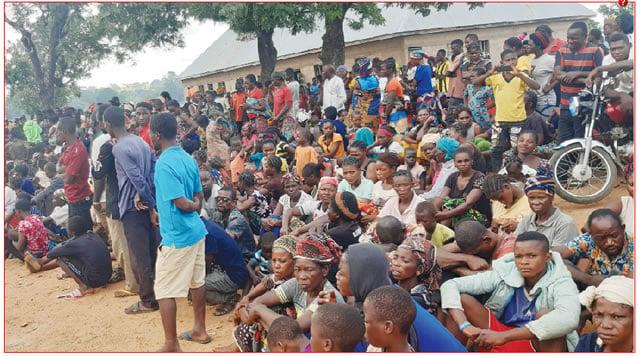
At first glance, the steel containers parked at the edge of an internally displaced persons (IDP) camp look like ordinary cargo units. But step inside, and you will find children reading aloud, teachers scribbling on whiteboards, and the hum of a solar-powered fan cutting through the afternoon heat. For many of the children, some born into displacement, others forced from their homes by conflict, this is their very first classroom. The initiative, recently modernise and, called SchoolBox, is turning crisis into opportunity by transforming old shipping containers into fully functional, solar-powered classrooms. Emeka Obiwulu, the founder of The Offshore Lab and the visionary behind SchoolBox spoke exclusively to LEADERSHIP about giving hope to the children through the initiative. In 2024, Obiwulu visited an IDP camp near the Alau Dam in Borno State, where he witnessed firsthand the toll of conflict and flooding on children’s lives. “There were hundreds of children just sitting around. No school, no books, nothing. It struck me that even as we gave food, we were feeding the body but leaving the mind to starve.” That experience ignited the idea of a mobile, scalable school that could go where traditional buildings couldn’t. Within months, the first SchoolBox prototype was completed, a 40-foot steel container, retrofitted with desks, solar lighting, ventilation, whiteboards, and even digital learning tablets. At the IDP camp in Benue, eight-year-old Simi clutches a writing slate with pride. Her family fled their village in Katsina after bandits attacked. “I didn’t go to school before,” she says shyly. “Now, I want to be a teacher.” Her story is echoed by dozens of children now enrolled in the SchoolBox units. Many have missed years of formal education, but they are finally catching up, thanks to an innovation that was born out of urgency. Each SchoolBox unit accommodates up to 30 learners and is designed to be climate-resilient, self-sufficient, and rapidly deployable. “We’re not trying to build permanent schools in impermanent spaces. “We are building durable education for fragile contexts,” Obiwulu said. Teachers are recruited from host communities and trained specifically in trauma-informed instruction. The model includes offline digital learning tools so pupils can learn at their own pace, regardless of internet connectivity. For children who have experienced violence, loss, and instability, the structure and safety of a classroom, even if made of steel, is transformative. The SchoolBox team aims to scale the project to 10,000 units by 2030, serving not just IDP camps but also riverine, desert, and flood-prone communities where schools have never existed. “Our mission is simple. No child should be denied education because of war, water, or where they were born. If they can not reach the school, the school must reach them,” he added Leadership News
Whether you are planning infrastructure, building capacity or seeking sustainable solutions, we are ready to partner with you.
START A CONVERSATIONCollaboration Approach
Working hand-in-hand with clients and communities.
Proven Track Record
Trusted delivery across sectors with measurable impact.
Enduring Partnership
Building relationships that last beyond project completion.
Local Insight. Global Standards.
Solutions that work locally and meet global expectations.